

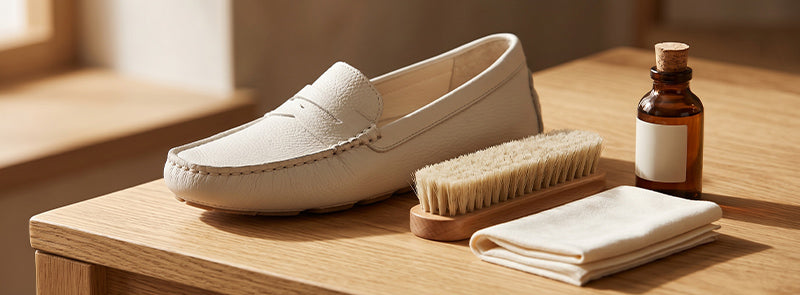
The post-Eid period is a small but critical turning point for leather shoes and bags. Leather worn frequently during the day and strained by long walks and visits can get through the season much more smoothly if it is properly restored before the summer heat begins. Care postponed with "I'll get to it sometime" usually brings problems such as drying, dullness, and odor. This article offers an actionable checklist, prepared from an editor's perspective, for safely preparing leather products as you transition from Eid to the pace of summer.
Why Is the Post-Eid Summer Care Period Different?
During the Eid period, leather products move beyond their normal routine. Wearing the same shoes for several consecutive days, carrying a bag by hand all day, or using them on different surfaces strains both the leather's surface and its inner structure. Care performed immediately afterward offers two important advantages:
- Accumulated sweat, salt, dust, and residues are cleaned before they "sink into" the surface.
- The drying, color variation, and odor problems commonly seen throughout summer are brought under control before they develop.
Quick Summary
- Always start cleaning with a dry brush; use a damp cloth afterward.
- The goal of summer care is not excessive polishing, but maintaining the leather's moisture balance.
- Sweat and salt are summer's quietest but most damaging effects.
- For Suede and nubuck, choose a brush and eraser instead of pressing with a damp cloth.
- If there has been contact with seawater or chlorine, treat it the same day.
- The inside of the bag is just as important as the outer surface in summer.
- Drying in the sun or with a heat source is the most common mistake.
- Shoe trees and bag stuffing should not be neglected during summer storage.
The Biggest Risks When Transitioning from Eid to Summer
Sweat, Salt, and Heat
In summer, leather is strained not only from the outside but also from within. Sweat accumulating inside shoes leaves salty residues, increasing the feeling of stiffness. On bags, handles and corners in particular darken more quickly from being carried by hand.
Sun and UV
Direct sunlight disrupts the leather's natural oil balance. Although it may feel "dry" in the short term, it causes color fading and dullness over time.
Sand, Dust, and Friction
In summer, city dust and outdoor surfaces increase micro-scratches on shoe toes and bag corners. These marks often become even more noticeable with improper cleaning.
Sea Salt, Chlorine, and Sunscreen
When salt, chlorine, and cream residues combine, they can leave a sticky layer on the surface. If this layer is not removed, the leather gets dirty more quickly.
Preparation: Mini Care Kit
The way to make care sustainable is to have everything within reach. For shoes, a soft brush, microfiber cloths, a leather-safe cleaner, and a lightweight conditioning cream are essential. Suede and Nubuck models also require a suede brush and eraser. For bags, a small brush for cleaning the interior, a soft cloth for the outer surface, and stuffing material to help maintain their shape will do the job.
30-Minute Post-Holiday First-Aid Checklist
Leather Shoes
- Remove the laces and check the tongue and edges.
- Brush the entire surface with a dry brush.
- Wipe gently with a damp cloth and dry at room temperature.
- Apply a thin layer of conditioning cream and remove the excess.
- Air out the interior and use a bag shaper if possible.
Leather Bag
- Empty the inside completely and remove crumbs and sand.
- Wipe the outer surface with a dry cloth.
- Clean the handles and corners with a damp cloth, then dry them.
- Condition them with a thin layer of care product.
- Store them in a cloth bag with stuffing.
Summer Care for Leather Shoes: Step by Step
Dry Cleaning
Always use a dry brush before a wet cloth. This step significantly reduces the risk of scratches.
Proper Cleaning
The cloth should only be slightly damp. Apply the cleaner to the cloth, not directly to the shoe. Proceed gently without pressing, especially around the toe and creased areas.
Conditioning
This is the most critical step in summer care. Apply a thin layer, wait a few minutes, and remove the excess. The aim is not shine, but flexibility.
Inspection and Protection
Check the stitching, sole edges, and inner heel lining. Small problems can be resolved before they grow when noticed early.
Inner Part and Odor Management
Ventilating shoes briefly after each wear and alternating their use greatly reduces summer odors.
Summer Routine for Suede and Nubuck
Suede and Nubuck look very stylish in summer, but they have little tolerance for improper treatment. A dry brush is sufficient for daily care. If there is a stain, treat it locally with a suede eraser. If it gets wet, dab without pressing, let it dry naturally, and then brush it.

Summer Care for Leather Bags: Fine Details
The handles and corners are the areas of a bag that wear out fastest in summer. Sweat and cream residue accumulate here. Regular, light cleaning and a thin layer of care product make a difference in these areas. The inner lining, meanwhile, is often forgotten, even though most summer odors originate there.
Quick Decision Tree for Tough Stains
For sunscreen, salt marks, or oily stains, the first step should always be gentle and controlled. Instead of rubbing excessively, start with an absorbent, targeted approach. If the stain spreads, stopping and considering professional assistance is the safest approach.
Common Mistakes
- Drying in the sun or with a heater
- Wiping the grainy surface with a wet cloth
- Using too much care product
- Trying to condition suede with leather cream
- Storing the bag in a plastic bag
A Care Schedule for the Entire Summer
Small daily habits are more effective than care performed once a month. Brief ventilation after each use, quick weekly cleaning, and detailed monthly care keep leather products in balance throughout the summer.
Summer Storage: Proper Organization in the Closet
Avoiding stacking shoes tightly, storing bags by their handles without straining them, and ensuring air circulation inside the closet are the basic rules of summer storage. Airing out items that are not used for long periods once a month is also a good habit.
Frequently Asked Questions (FAQ)
How often should leather shoes be conditioned in summer?
For heavily used shoes, applying a thin layer of care product once a month is generally sufficient. If the leather feels stiff, the interval can be shortened.
Is it harmful to air out shoes in the sun?
Direct sunlight and high heat are harmful in the long term. A shaded, well-ventilated place is safer.
Can I wipe suede shoes with a damp cloth?
It is generally not recommended. A dry brush and a suede eraser are safer.
What should be done if the bag handles have darkened?
Regular, gentle cleaning works in most cases. For very noticeable darkening, seeking professional help is more appropriate.
What should be the first step for leather shoes exposed to sea salt?
The salt residue should be removed with a damp cloth the same day, followed by air-drying naturally and applying a thin layer of care product.
Is perfume a solution if the inside of the bag smells?
Perfume is temporary. The real solution is interior cleaning and ventilation.
Is it necessary to use a shoe tree?
It's not essential, but it is especially useful for reducing loss of shape in summer.
What happens if too much care cream is applied?
The surface may remain sticky and attract dirt more quickly. Excess should be removed with a dry cloth.
Why is it bad to store a bag in a plastic bag?
It cuts off airflow, traps moisture, and increases the risk of odors.
What can be done to reduce wear on leather products in summer?
Rotating use, avoiding excessive strain, and regular quick care significantly reduce summer wear.
Final Note
These small but deliberate care steps taken after the holiday help leather shoes and bags look better and last longer throughout the summer. From an editor's perspective, what really makes the difference is not "perfect cleaning" but care applied at the right time and in the right amount.


