

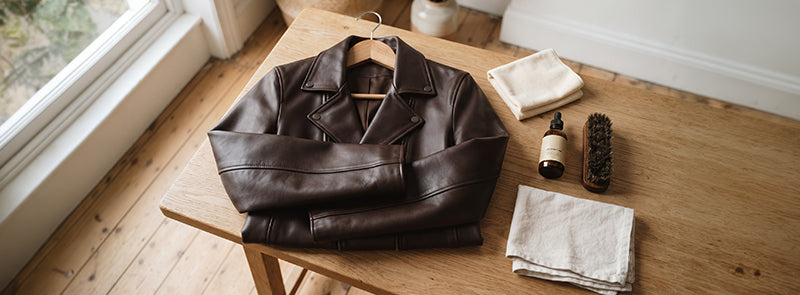
When cared for properly, a leather jacket is one of the pieces that retains its shape and character for years. But the statement "leather is durable" does not mean it can be cleaned with every method. The wrong product, too much water, a stiff brush, or rapid drying can cause hard-to-reverse problems such as a dull surface, rippling, or color fading. The purpose of this guide is to clarify safe at-home care, show the right approach for each type of stain, and explain in simple language what to look for when professional cleaning is needed.
Quick Summary
- Instead of "washing" a leather jacket, wiping and spot-cleaning are usually the safest approaches.
- First step: understand the leather type and surface finish (suede-nubuck and smooth leather are not cleaned in the same way).
- Test in a hidden area before every treatment (inner placket, inside of the sleeve).
- Excessive water, alcohol/cologne, laundry detergent, vinegar, and wet wipes are risky for most leather.
- For light dirt: a soft cloth + very little moisture + a cleaner made for leather is usually sufficient.
- For oil stains, the goal is not to "scrub them out" but to reduce them by absorbing them without spreading.
- If it gets wet: dry it at room temperature while maintaining its shape; do not use a hair dryer or radiator.
- Regular care: during seasonal transitions, use a small amount of leather cream in a controlled manner.
- If mold or odor keeps recurring, the problem is often related to storage and moisture management.
- Large stains, color loss, vintage/very soft leather: professional cleaning is safer.
Why Does a Leather Jacket Require "Special" Care?
Leather is a breathable, flexible material that settles into shape over time because of its fibrous structure. The surface treatment (finish) determines how the leather reacts to water, stains, and friction.
- Pigmented/coated leather: Generally more tolerant of wipe cleaning.
- Aniline/semi-aniline: May be more sensitive to water marks and stains.
- Suede/nubuck: Liquids and incorrect brushing can leave marks; dry methods are preferable.
- Lining and accessory details: Areas such as the collar, cuffs, and metal zipper may wear out more quickly.
Before Cleaning: Know Your Leather, Reduce the Risk
Check the label and the manufacturer's notes. Whatever product you use:
- Choose an inconspicuous spot, such as the inside of the sleeve or the inner placket.
- Apply a very small amount.
- Wait 10–15 minutes. If you notice darkening, rippling, or a sticky feel, do not apply it to the entire jacket.
"Quick Water Drop" Test
If a tiny drop of water is absorbed immediately upon touching the surface, the leather has a lighter finish and is prone to water marks. If the drop remains, the coating is more protective. This is not conclusive; make your decision by testing the product on a small area.
Routine Home Care: Half of Cleaning Begins "Before Dirt Forms"
Weekly / Every Two Weeks
- Gently wipe the surface with a soft, lint-free cloth.
- Use a Suede brush instead of a cloth on Suede/nubuck.
- Ventilate for 20–30 minutes (not in direct sunlight).
Once a Month
Check the collar, cuffs, and underarms. These areas get dirty more quickly due to skin contact and friction. The "a little product, brief treatment" approach is safer.
General Home Cleaning: Wiping, Step-by-Step Cleaning
This method is a safe starting point for smooth leather (excluding Suede/nubuck).
1) Preparation
- Hang the jacket in a spacious area; use a thick hanger that supports the shoulders.
- Close the zippers and empty the pockets.
- Remove dust with a soft cloth.
2) Gentle Wiping
- Dampen the cloth very slightly (do not soak it).
- If necessary, apply the leather cleaner to the cloth; do not pour it directly onto the jacket.
- Wipe with light, one-directional movements rather than circular, pressing motions.
3) Drying and Resting
- Go over it with a dry cloth.
- Let it rest for 1–2 hours at room temperature.

Stain Removal: The Right Approach for Each Type of Stain
Light Dirt and Friction Stain
Wipe the spot with a soft cloth, very little moisture, and a suitable leather cleaner. Do not rub the same area repeatedly.
Oil Stain
With oil, the goal is to reduce it without spreading it. Blot excess oil with a clean, dry cloth. If the stain is large, professional help is safer.
Water Mark / Rain Stain
Do not treat the jacket before it has dried completely. Once dry, reduce the tone difference with a very slightly damp cloth. If a permanent mark remains, balancing it with a very small amount of conditioner may be necessary.
Ink Stain
Ink is one of the riskiest stains. Wiping with cologne or alcohol can strip the dye from some leathers. Blot immediately to prevent spreading. In most cases, professional cleaning is safer than using aggressive solvents at home.
Salt / Snow Stain
After it dries, gently wipe it with a soft cloth. If necessary, lightly work on the spot with a suitable cleaner. Afterwards, applying a very small amount of conditioner may help restore flexibility.
Odor
The first step is ventilation: leave it for 1 day in a shaded, dry place with airflow. Turn the inside outward and ventilate it. Spraying perfume is "masking"; it may damage the surface.
Mold Stain
Mold is a storage-condition problem before it is a "cleaning" problem. Treat it in a well-ventilated area. For advanced mold, consulting a professional is safer. Afterward, be sure to manage moisture in the closet.
Suede and Nubuck Leather Jackets: The Same Rules Do Not Apply
Liquid-based cleaning and "wiping" are riskier on Suede/Nubuck; they may leave marks or damage the surface texture.
Daily Care
- Brush in one direction with a Suede brush.
- A Suede eraser may help on shiny areas.
Approaching Stains
Adding water to a wet stain often makes the mark larger. After it dries, try lifting it with a brush. For a Suede/Nubuck jacket, the label "compatible with Suede/Nubuck" on care products is genuinely important.
Why Is "Washing" a Leather Jacket Not a Good Idea?
- It may disrupt the leather's natural oil balance (a stiff or cracked feel)
- It may affect the color pigment (lightening or a blotchy appearance)
- It may cause loss of shape and wrinkling as it dries
- It may cause the lining to shrink and pucker
Leather Cream/Conditioner: When and How Much?
Too much product can make the surface greasy and attract dust, increase shine, and darken the color.
When? During seasonal transitions, if the jacket feels "dry," or if light support is needed after cleaning.
How much? A little. Really, very little. First, apply it to the edge of the cloth, spread it over a small area, then remove the excess with a dry cloth.
How to Use Protective Sprays Correctly
- Apply in a well-ventilated area.
- Spray in a thin layer from a distance of 20–30 cm.
- Do not apply enough at once to "wet" it.
- Choose a separate product for Suede/Nubuck.
When Is Professional Cleaning Essential?
Seek professional help in the following situations:
- Large oil or ink stains likely to spread
- Color loss or significant unevenness in tone
- Very soft, thin leather with a light finish
- Vintage/antique jackets
- Mold keeps recurring or appears to have penetrated the leather
- The jacket has become seriously wet and lost its shape
Getting Wet and Sudden Situations: Proper First Aid at Home
Got Wet in the Rain
- Shake the jacket to remove excess water.
- Hang it on a thick hanger; open the pockets.
- Dry at room temperature. No radiators, stoves, or hair dryers.
- If it feels stiff after drying, a very small amount of conditioner may be considered.
Exposed to Sea Water
Salt can harden leather. After it dries, clean it by wiping gently. Then apply care very carefully.
Storage: As Important as Cleaning
- Use a thick hanger that supports the shoulders.
- Choose a breathable fabric cover instead of a nylon cover.
- If humidity inside the closet is high, the risk of mold increases; a dehumidifier and regular ventilation are helpful.
- A crease can turn into permanent lines in Leather; keeping it on a hanger is safer.
Most Common Mistakes
- Wiping with a wet wipe (risk of chemical residue)
- Trying a "quick fix" with cologne/alcohol
- Using laundry or dish detergent
- Trying acidic mixtures such as vinegar/lemon
- Soaking the Leather and drying it quickly
- Rubbing Suede/nubuck with water
- Using too much conditioner
- Ventilating it in direct sunlight for a long time
A Brief Guide to Choosing a Home-Care Product
Ask yourself these three questions when choosing a product:
- Is this product formulated "for Leather"?
- Is my Leather smooth Leather or Suede/nubuck?
- Is the product a "cleaner," "care/conditioner," or "protective spray"?
Frequently Asked Questions (FAQ)
Can I wipe my Leather jacket with soap at home?
General soaps can disrupt the Leather's oil balance. The safest option is to use a cleaner made for Leather and keep water to a minimum.
Can color fading on a Leather jacket be fixed?
Slight tone differences can sometimes be balanced with a care product; noticeable color fading concerns the dye/finish, so professional assistance is safer.
What is the fastest way to remove an oil stain?
"Rubbing" is not faster; it spreads the stain. First, blot it and absorb the oil.
Water got on my Leather jacket. What should I do immediately?
Gently remove excess water, hang it on a wide hanger, and dry it at room temperature. Do not dry it quickly with a heat source.
Is it possible to clean a Suede jacket without wetting it?
Yes. For Suede, brushes, Suede erasers, and dry methods should be prioritized.
How often should Leather conditioner be applied?
Generally during seasonal transitions or when the Leather feels "dry." Applying too much or too often can cause problems.
Can it be completely salvaged if mold has formed?
It can usually be restored with early intervention; however, if mold keeps returning, you need to address the storage humidity.
How often should I have it professionally cleaned?
It depends on how often it is used. The right home-care routine extends the intervals.
How should I store my Leather jacket?
On a wide hanger, in a breathable cover, without compression, while managing moisture.
The collar and cuffs of my Leather jacket have become shiny. What should I do?
Start with gentle cleaning. If the shine is very noticeable, professional assistance will provide better results.
Final Word
A Leather jacket, when properly cared for, behaves like a "timeless" piece; but with the wrong treatment, it can age in a single day. When cleaning at home, the goal is not perfect smoothness, but managing the cleaning without disrupting the Leather's balance. Even if you do not have the right product on hand, the "little water + little friction + testing" approach will protect you from most mistakes.


