

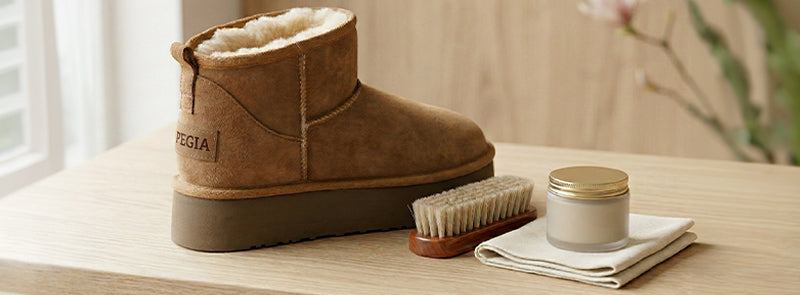
With the arrival of spring, a quiet but fundamental change begins in wardrobes. Thick coats come off the hangers, and boots move to the back rows of the shoe rack. This transition is often rushed. Yet for Genuine leather boots that have battled rain, snow, mud, and salt throughout winter, this period is a kind of “health break.”
Quality boots, such as Pegia's boots with genuine fur lining or Cool Moon's models that stand up to urban winter, can become companions for years rather than just a single season when properly cared for. That is exactly why spring cleaning begins with the shoe rack.
In this guide, we cover the steps you should take before storing your winter boots, along with the reasons, common mistakes, and practical solutions. Our aim is not merely to “store” the boots, but to ensure they reach the next winter in good condition and shape.
Quick Summary: Checklist Before Storing Winter Boots
- Dirty boots should never be stored; salt and mud must be cleaned off
- Different care products should be used for leather and suede
- Rapid drying with heat causes permanent damage to leather
- The shape should be maintained with a shoe tree or stuffing
- Plastic bags increase the risk of mold
- A cloth bag or cardboard box should be preferred
- The storage area should be cool, dry, and well ventilated
- The zipper, stitching, and sole should be checked before storing
Why Should Winter Boots Be Stored Carefully?
Genuine leather, unlike synthetic materials, has a living structure. Thanks to its porous texture, it breathes, comes into contact with moisture, and is directly affected by environmental conditions. When the salt and chemicals it is exposed to throughout winter are left uncleaned, the leather dries out, hardens, and eventually begins to crack.
That is why spring is the ideal time to care for boots before putting them away. A few months of neglect can take years off a boot's life.
1. First Rule: Never Store Dirty Boots
Storing boots after winter without cleaning them does not postpone the problem; it makes it worse.
Basic Cleaning (Dry Treatment)
Cleaning should begin with dry treatment, not water.
- Leather boots: Gently remove dust and dried mud from the surface with a soft-bristled shoe brush. The areas between the stitches and around the zipper should be checked especially carefully.
- Suede and nubuck boots: Brush in and against the direction of the nap with a special suede brush. The aim is to bring the dust accumulated in the pores to the surface.
Dealing with Salt Stains
Salt spread on roads in winter is leather's biggest enemy. The stains that appear as white rings gradually dry out the leather from the inside.
- Wiping with a slightly damp cloth is usually sufficient
- For stubborn stains, diluted white vinegar in a one-to-one ratio can be used briefly
- It must then be wiped over with a clean, damp cloth
Soaking leather in water or washing it under running water is one of the biggest mistakes you can make.
Sole Cleaning
The soles should not be forgotten when cleaning the area where you will store the boots. An old toothbrush is highly effective for removing mud between the sole treads.
2. In-Depth Care by Material
After cleaning, it's time to nourish the leather. Leather coming out of winter needs moisture, just like skin worn by cold weather.
Smooth Leather Care
Leather becomes hard and brittle as it dries out.
- Apply leather conditioner in a thin layer with a clean cloth or sponge
- Work it in using circular motions, without leaving excess product on the surface
- Nourishing products should be preferred over polishing sponges
The goal is not shine, but restoring flexibility.
Suede and Nubuck Care
Suede and nubuck do not tolerate cream.
- Special suede care sprays are applied from a distance of 20–25 cm
- After drying, the nap is raised with a suede brush
- A suede eraser can be used for localized stains
Interior Care for Genuine Shearling-Lined Models
The greatest advantage of boots with genuine shearling linings, such as Pegia and Cool Moon, is that they can breathe. However, moisture can accumulate inside during the season.
- The boots are opened fully and left to rest for 24 hours in a well-ventilated area away from sunlight
- Products like powder are not recommended; they may leave residue
- If necessary, charcoal odor-absorbing bags can be used for a short time
Genuine shearling has a naturally self-regulating structure; excessive intervention is unnecessary.
3. Drying: Patience Is the Best Protection

Heat is leather's enemy.
Radiators, stoves, hair dryers, or direct sunlight quickly remove the natural oils in leather. This can lead to cracking, hardening, and even sole separation.
The right method:
Dry boots at room temperature, in the shade, and naturally. This process may take 24–48 hours. There's no need to rush it.
4. Shape Retention: Boots Stay the Way You Leave Them
Leather is a material with memory. Collapsed toes and bent shafts are usually the result of improper storage.
Using Shoe Trees
Shoe trees made of cedarwood are the ideal solution.
- Keeps the toe area taut
- Helps maintain moisture balance
- Leaves a natural, subtle scent
Alternative Stuffing Methods
If you don't have a shoe tree:
- The toe and ankle can be stuffed with uncolored packing paper
- A rolled-up magazine or foam cylinder can be placed inside the shaft of tall boots
The aim is to keep the boot standing upright.
5. The Right Storage Space: Box or Bag?
Why Are Plastic Bags Wrong?
Plastic traps air. Even the slightest moisture can cause mold, and moldy leather often cannot be salvaged.
Safest Options
Cotton cloth bags
Original cardboard boxes
If storing them in a box, placing tissue paper between the boots helps prevent them from touching each other.
Environmental Conditions
- Cool
- Dry
- Away from direct light
Damp basements and excessively hot attics are not recommended.
6. End-of-Season Check Before Storing
Small checks before winter ends prevent major problems at the start of the season.
- Heels: Check for wear or exposed metal.
- Zippers: If they stick, they can be lubricated with wax or the tip of a pencil.
- Stitching: If it is coming apart, it should be addressed immediately. You can get help from a cobbler.
- Water repellency: If water does not bead on Suede boots, a protective spray can be applied.
7. Derimarket Editor’s Note: Choosing Care Products
Household oils or hearsay methods pose a risk to leather. Using the right products preserves the boot’s value.
Commonly preferred products:
- Suede brush and eraser
- Natural leather care balm
- Water-repellent care sprays
When used regularly and in moderation, these products preserve the boots’ shape and texture.
Frequently Asked Questions (FAQ)
Can boots be washed in a washing machine?
No. The washing machine damages the leather’s structure and irreversibly deforms the boot.
Can moldy boots be salvaged?
If noticed early, airing and a light application of vinegar may help. Professional assistance is needed for extensive mold.
Does the inner fur flatten over time?
Yes, this is a natural process. Light brushing and airing can help restore them.
Is the care of Patent Leather boots different?
Yes. Do not use a brush; wipe them with a damp cloth and protect them with special products.
Should mothballs be used?
Not recommended. The smell permeates the leather and is difficult to remove. A lavender sachet is a better alternative.
How long can boots be stored?
They can be stored without problems for 6–8 months under the right conditions.
What can be done if there is no cloth bag?
Cotton pillowcases can be a temporary solution.
Is care necessary before storing them?
Yes. Boots stored without cleaning will cause problems the next season.
Final Word: Storing Boots Is Not Goodbye
Spring cleaning isn’t about saying goodbye to your boots; it’s about giving them a place to rest. This brief but deliberate care will return next winter as comfort, warmth, and confidence.
What we’ve seen for years at Derimarket is this: A well-cared-for leather boot never lets its owner down.


